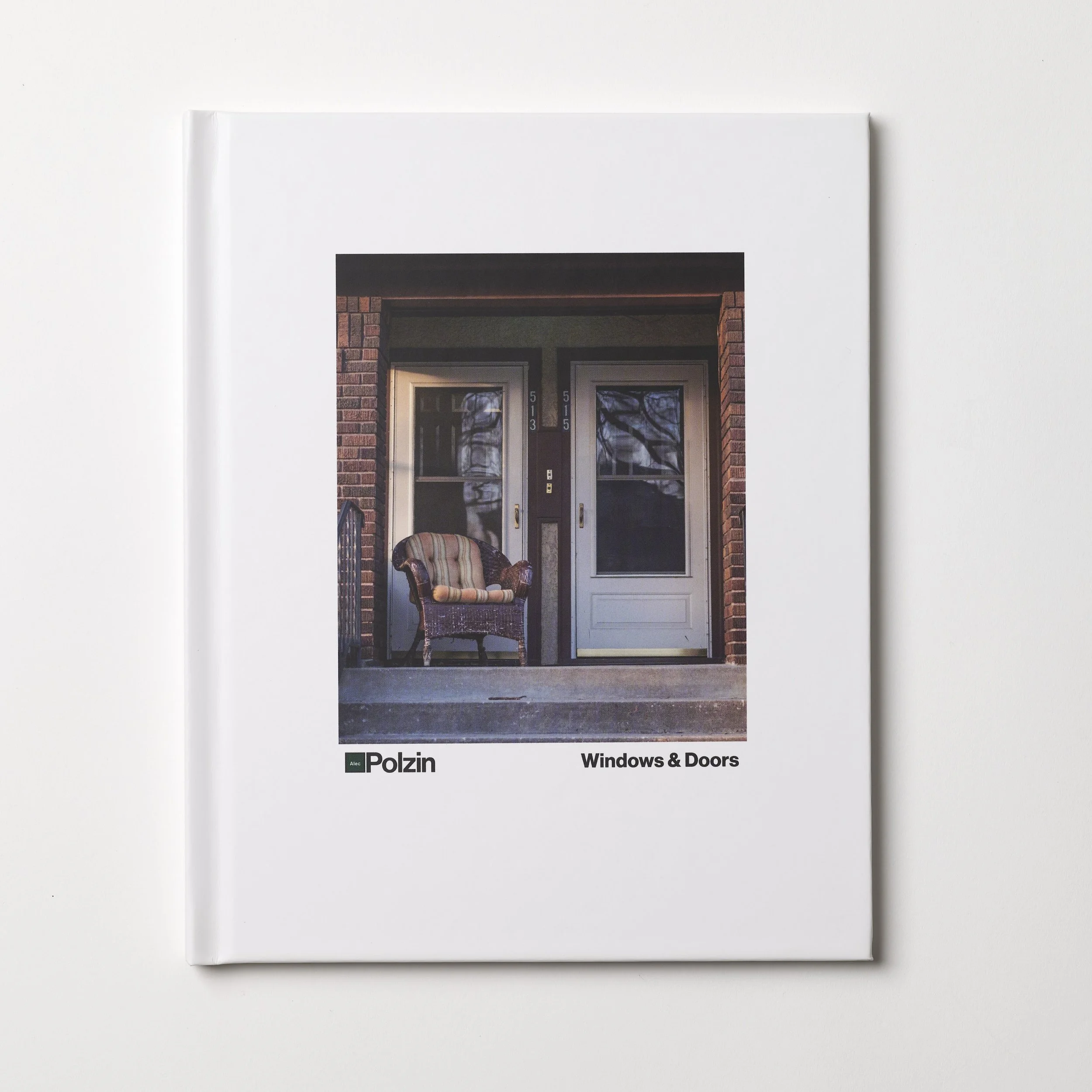
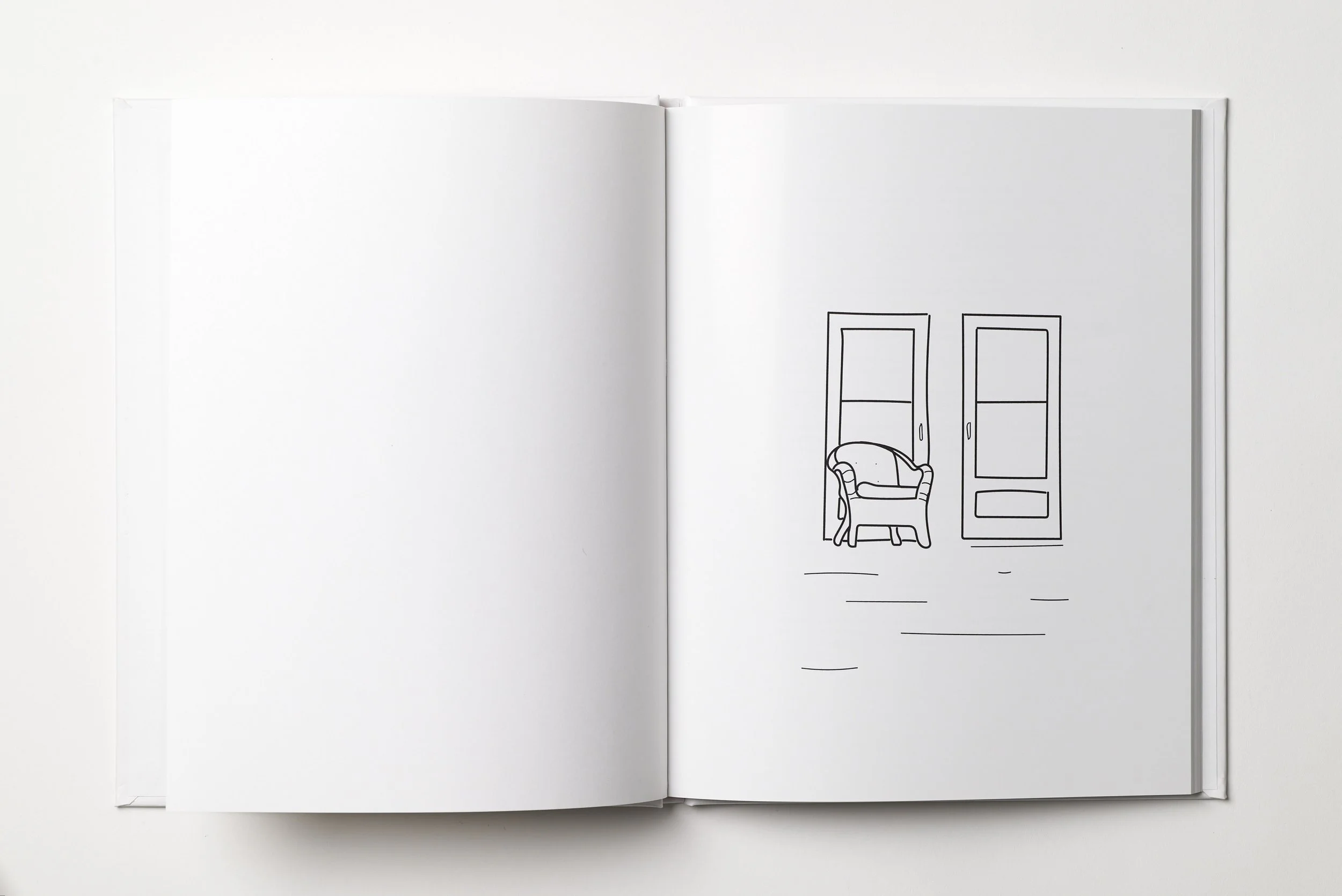
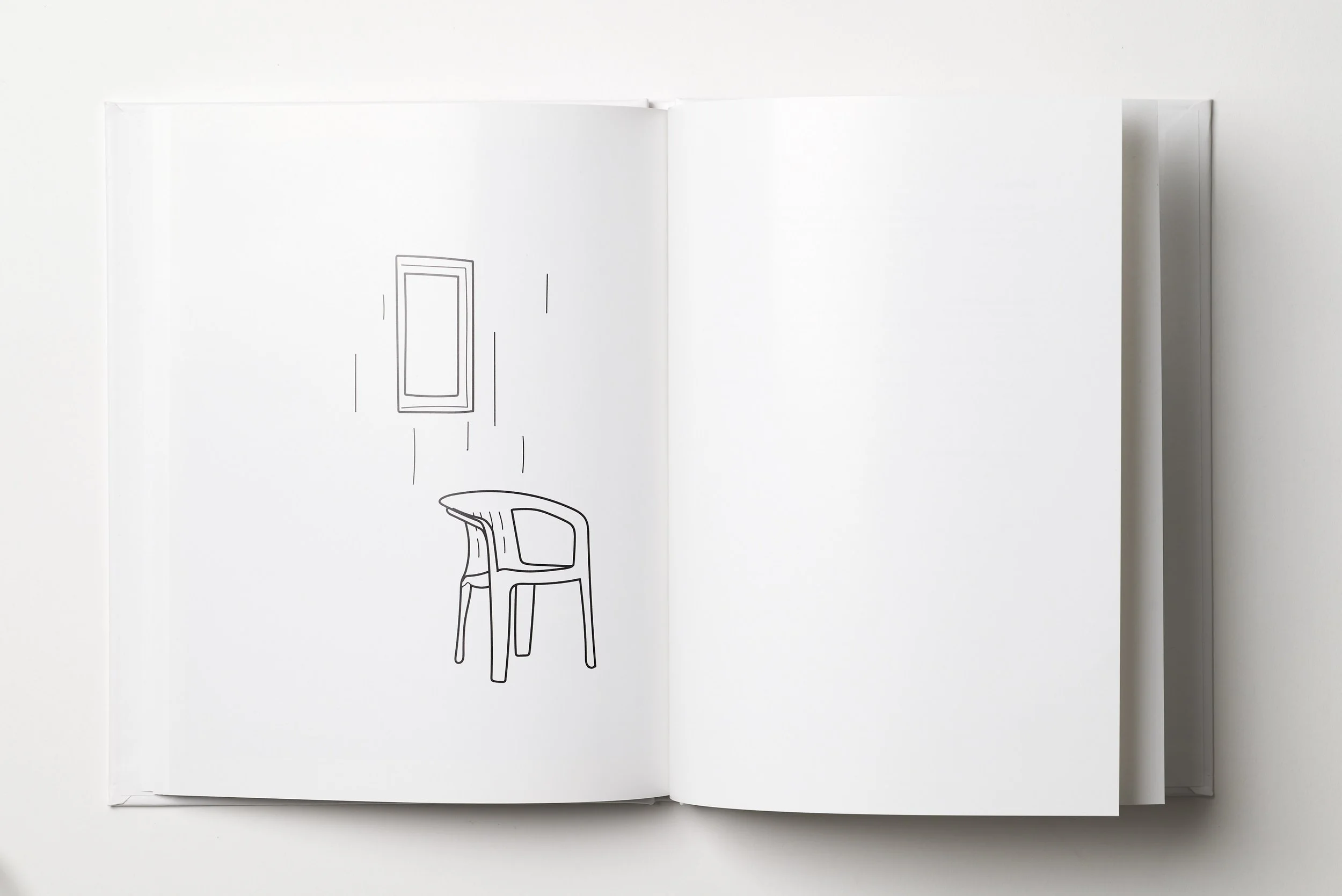
I reprinted this project as a book for Art4Shelter 2026Windows & Doors Book
Click to Learn More
Windows & Doors was a small project created during Covid-19. In March 2020, many people were unsure of the pandemic’s severity. A lot of folks locked down, spending most of their time sealed away from the “unwashed” masses.
I was a college student, living in off-campus housing with a handful of close friends. We locked up and locked out! We also learned pretty early that classes would be online for the remainder of the year. Needless to say…hooray!
We passed the time watching movies, playing games, and calling the friends we weren’t supposed to see. We made it. I can honestly say that everyone I lived with that year is alive and well.
However, we did experience sibling-like disdain for each other as the pressure mounted between 8+ adults sharing a fully-packed duplex built in the 1900s.
Out of necessity, we quickly learned that a simple walk was the difference between peace and total domestic catastrophe.
By offering a short respite from our otherwise repetitive and cramped environment, these walks drastically improved my emotional condition—opening the door to creativity.
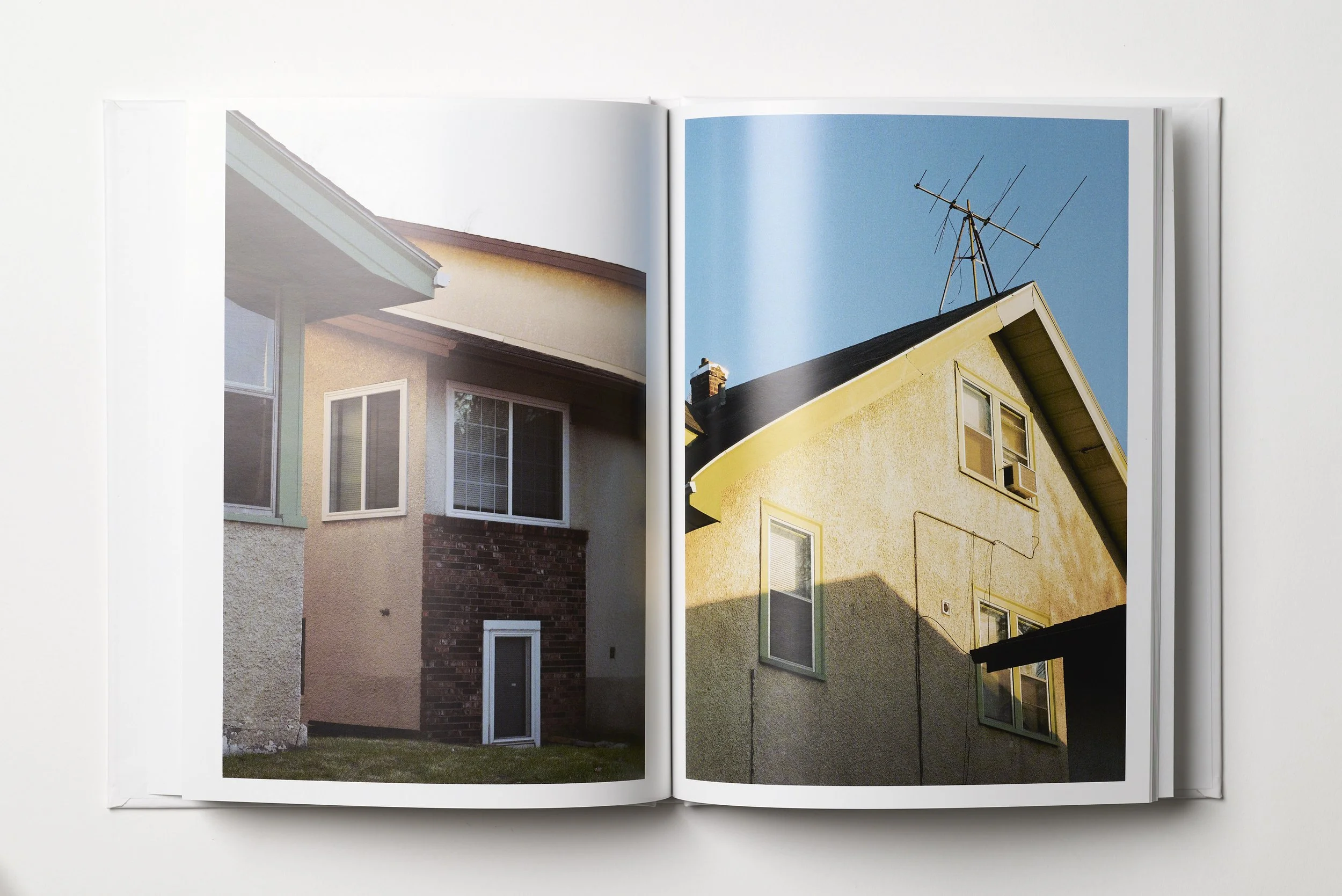
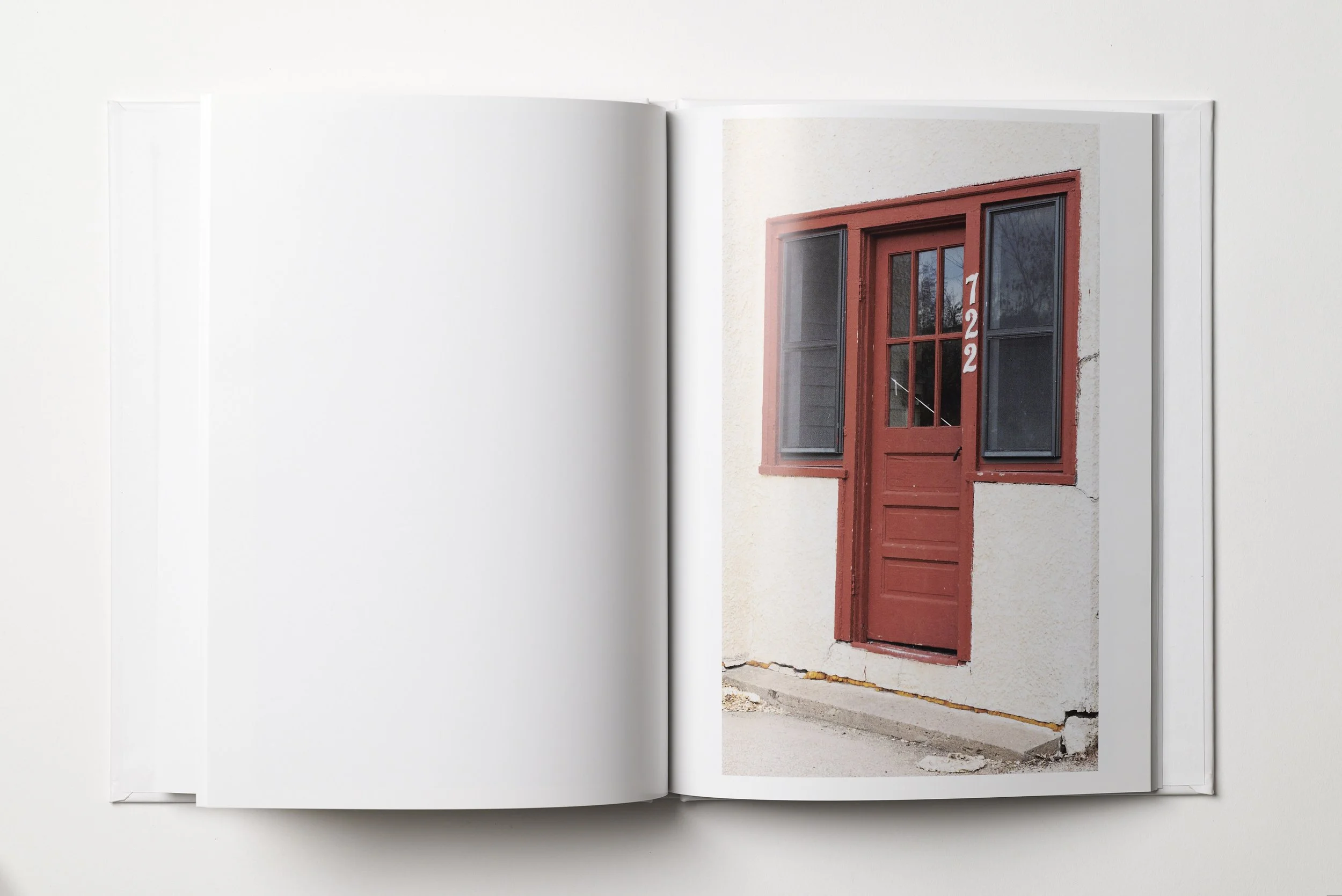
I started thinking about people confined to individual spaces. Even though they were physically shut up, windows and doors became their portals—connecting them to the outside world or making them aware of their isolation from it.
I realized these portals mirrored my own: I could use them as shields to disconnect or as gateways to engage. This gave me the framework to capture and acknowledge the shared, but potentially disparate experiences of my neighbors.
2026 Addendum:
I continue noticing these “portals,” and I am both excited and disappointed that this project has evolved for me.
Perspective is what has brought me back. At the time, I thought the empathy that I found through windows and doors was a revelation. Now, I see that my perspective and empathy only extended to those who had homes to leave in the first place.
What do these walks mean if you’re unhoused? What does it mean if you don’t have a place to leave? What does it mean if you don’t have a place to go back to? What do the portals, the perspective, and the imagination mean to those who can’t simply go back to their house?